| Medium | archival pigment print with gloss varnish op 330 grams Somerset Satin |
|---|---|
| Dimensions | 100 x 74 cm (29.1" x 39.4") |
| Year | 2014 |
| Edition | 200 |
| Details | numbered and signed by the artist |
Out of stock
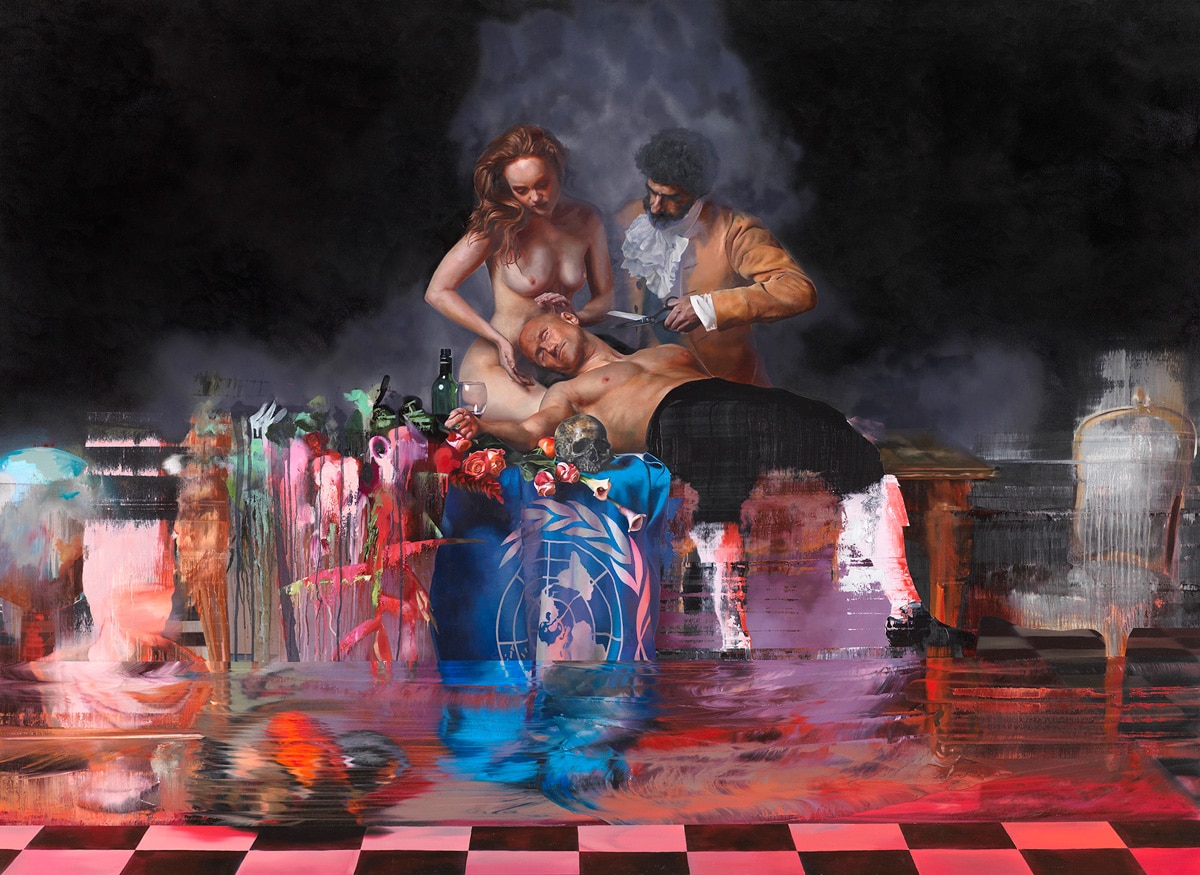
Conor Harrington's blend of the historical and hypermodern is unsurpassed. The Irish former graffiti artist still paints outdoor murals worldwide to considerable acclaim, while enjoying a meteoric rise in his gallery career. His lauded large-scale paintings fuse realist figurative work inspired by old masters with abstractions taken from the graffiti scene that nurtured his talents.
This piece has been sold. Leave your email and we will keep you posted about similar and upcoming works.
every piece includes a Certificate of Authenticity (COA) and full provenance.
never rolled; always packed flat between protective board.
shipped fully insured via DHL Express or FedEx.
Edition numbers are assigned at the time of dispatch and may differ slightly from the number shown in product images.
Conor Harrington’s blend of the historical and hypermodern is unsurpassed. The Irish former graffiti artist still paints outdoor murals worldwide to considerable acclaim, while enjoying a meteoric rise in his gallery career.
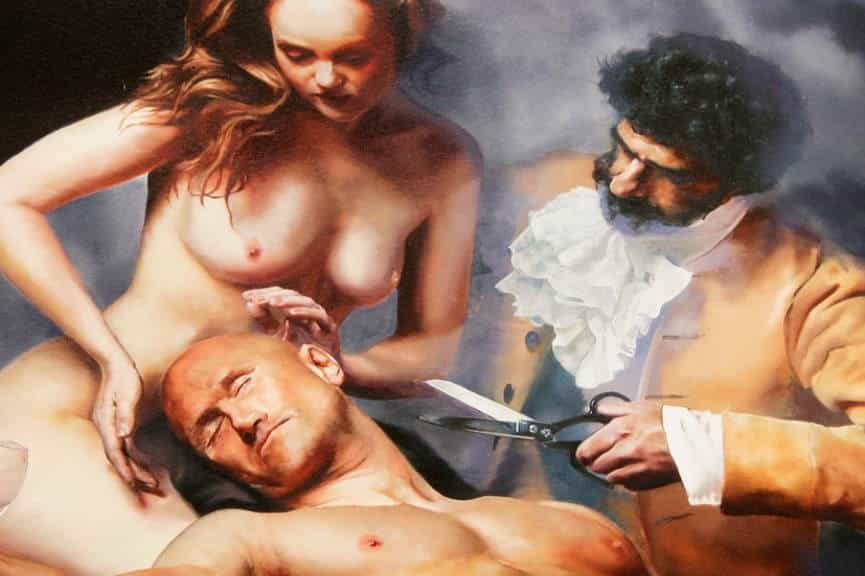
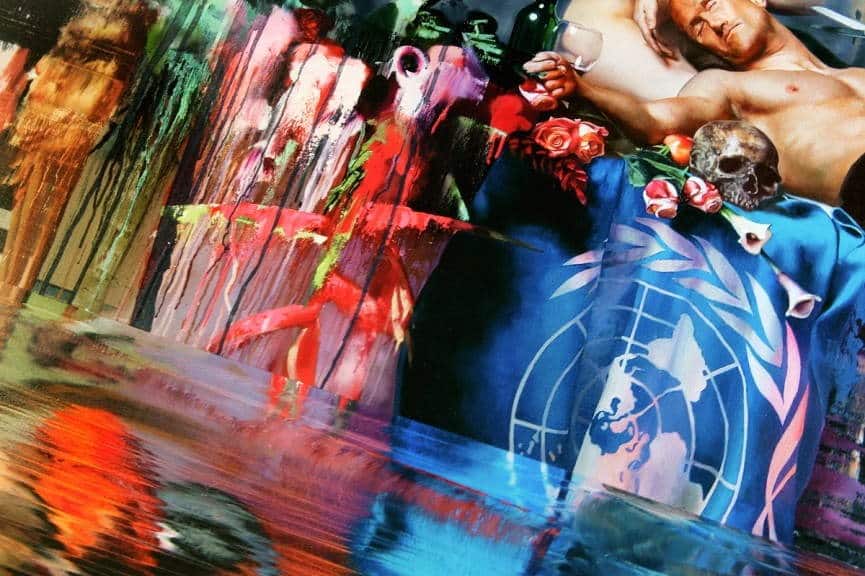
His lauded large-scale paintings fuse realist figurative work inspired by old masters with abstractions taken from the graffiti scene that nurtured his talents. Conor Harrington is a central figure within a new breed of young artists tackling socio-political themes using fine art techniques in a context formerly reserved for street artists. His work combines contemporary and classical references to create an astonishingly resonant dialogue with the viewer.
The earliest works from Conor Harrington used cutting-edge graffiti techniques to create intense multi-layered artworks (such as Battle 4) that alluded to the work of abstract expressionist artists. In this way, he compared the radical street art movement to the revolutionary anti-figurative art of the early and mid-20th century.
From the mid-Noughties Conor Harrington began including male figurative aspects in his compositions. In pieces such as The Rum and Raisin of Irish Society young contemporary metropolitan men evoked the conflicts within modern masculine identity. In others, male aspirational icons – like Formula One drivers – probed the urban art and music world’s tendency towards machismo in the light of this gender role crisis.
Subscribe to The Journal for periodic art notes and new arrival alerts,